
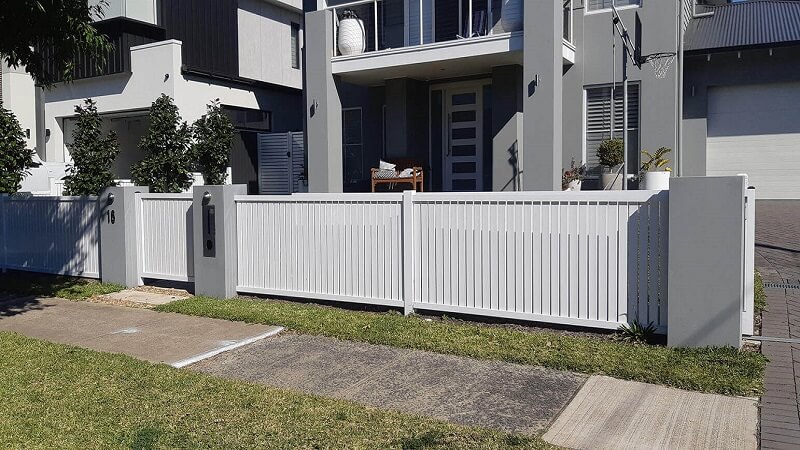
Commercial fencing plays a much bigger role than simply defining property boundaries. For businesses operating in Commercial Buildings, the right fencing solution can improve security, manage access, protect valuable assets, control foot traffic, and project a more professional image, manage access, protect valuable assets, control foot traffic, and project a more professional image. With rising safety concerns, tighter compliance requirements, and growing demand for long-lasting materials, choosing the right fence is now a strategic business decision—not just a practical one.
As we move into 2025, businesses are prioritising fencing systems that offer durability, low maintenance, clear visibility, and strong protection. Options range from modern steel systems to mesh panels, timber alternatives, and specialised industrial products. Many buyers begin their search by looking into commercial fencing melbourne providers who offer flexibility across industries such as warehousing, construction, logistics, retail, education, and government.
This guide breaks down what buyers should consider, what materials work best, and how to match the right fencing type to your commercial needs.
Start With Your Purpose and Security Requirements
No two commercial sites are identical. The type of fencing you choose should be based on your operational requirements rather than aesthetics alone. Industrial sites may prioritise strength and height, while retail locations may need a fence that balances security with visual appeal. Schools and childcare centres often require fencing with anti-climb properties and child-safe designs. Warehouses, transport yards, and construction sites typically require temporary or permanent barriers that can withstand impact and deter unauthorised entry.
Understanding how people move around the property, where security risks exist, and how the site operates during and after business hours is the starting point for selecting the right fencing type.
Material Durability and Weather Resistance Matter
Melbourne’s climate is famously unpredictable. High winds, heavy rain, strong sun, and coastal exposure can all contribute to premature wear if the wrong materials are used. This is why galvanised steel, powder-coated finishes, and corrosion-resistant metals remain popular choices for 2025 commercial installations.
Durability directly impacts long-term cost. While some fencing options may appear cheaper upfront, they may require more frequent repairs or replacements. Businesses should look for fencing products that maintain structural integrity and appearance even in harsh outdoor conditions.
When to Choose a Chain Link Fence
One of the most versatile and widely used options for commercial properties is the chain link fence. It offers a blend of affordability, visibility, and strength, making it a top choice for sports facilities, factory yards, logistics centres, schools, and public infrastructure.
Chain link fencing is particularly valued for its ability to secure large areas at a lower cost, its visibility that allows natural surveillance across the property, its quick installation with minimal disruption, and its low maintenance and long service life. For businesses that need a functional, no-nonsense perimeter solution, chain link fencing remains one of the most cost-effective and adaptable choices.
Consider Aesthetics Alongside Functionality
A commercial fence doesn’t just serve a protective purpose—it also contributes to the overall appearance of your business. This is especially important for customer-facing properties like retail centres, hospitality venues, showrooms, and commercial offices. Decorative steel fencing, slat fencing, tubular fencing, and architectural mesh can all provide a professional look while still offering strength and security.
Choosing a style that aligns with your brand image may help improve street presence, attract customers, and create a welcoming environment without compromising safety.
Compliance and Safety Requirements in 2025
Certain industries have fencing requirements governed by Australian Standards or local regulations. Childcare centres, schools, sporting venues, and industrial facilities may require specific heights, anti-climb designs, restricted gaps, lockable gates, or impact-resistant materials.
Before selecting a fence, assess whether your industry has mandatory standards. Installing a non-compliant fence can lead to costly modifications later, so it’s best to confirm compliance early in the decision-making process.
Gate Systems and Access Control Integration
Modern commercial fencing goes beyond the fence line itself. Gate systems—both manual and automated—play a major role in safety and convenience. Businesses may require sliding gates, swing gates, boom gates, or pedestrian access gates, depending on how frequently vehicles and people move through the premises.
Access control systems such as keypads, swipe cards, intercoms, and electronic locks can be integrated into your fencing design. In 2025, many businesses are choosing automation for convenience, better security tracking, and remote access management.
Installation Quality and Professional Support
Professional installation is crucial for long-term performance. A poorly installed fence may sag, corrode prematurely, or fail under pressure. Experienced installers ensure correct foundations, alignment, tensioning, and anchoring, helping the fence last longer and perform better.
Buyers should also assess the support offered by their fencing provider—such as custom fabrication, onsite assessments, product warranties, or maintenance options. Working with a reputable company can also streamline compliance checks and ensure the fencing matches your operational needs.
Balancing Budget With Long-Term Value
While budget is always a factor, businesses should consider the long-term value of their fencing investment. The cheapest solution may not provide adequate security or durability, leading to higher costs over time. Materials that resist rust, withstand impact, and require minimal maintenance typically offer the best return on investment.
Calculating long-term value includes considering expected lifespan, frequency of maintenance, exposure to weather, security needs, and replacement costs. Well-chosen fencing should protect your property for many years without constant repair.
Final Thoughts
Commercial fencing is an essential part of protecting your business, enhancing property appearance, and ensuring compliant access control. Whether you need high-security materials, practical boundary fencing, or a durable and affordable solution like chain link systems, the key is selecting a product suited to your industry, environment, and long-term goals.
Melbourne businesses continue to invest in fencing that balances durability, aesthetic appeal, security, and value. With the support of experienced providers like Lee Group Fencing—mentioned once as required—you can select and install a fencing solution that meets your needs now and into the future.
If you’d like, I can also prepare: