
Sites for construction, logistics, and manufacturing all have risks associated with noise. For a long time, audiometric testing and noise assessment compliance exercises have been filing away controversy testing and hearing evaluations. These practices, however, are beginning to be seen as more than just a compliance practice, but for strategic tools for business sustainability, productivity, and corporate responsibility.
Hearing Health as Workforce Sustainability
Apart from noise exposure, audiometric testing remains a requirement for workplace compliance. Hearing health as a compliance of convergence overlooks important implications.
Impacts of noise-induced hearing loss are broad, and the injury itself extends beyond workplace injuries. Social isolation, poor mental health, communications, and hearing challenges all have workplace implications that lead to loss of productivity, increased claims, and damage to the organization’s reputation. Australian organizations that embed audiometric testing into their workforce sustainability strategies show their commitment to protecting the long-term viability of their workforce beyond compliance.
Noise Assessment as a Predictor of Productivity
As with other technical exercises, noise assessment is considered first as a technical exercise that is simply controlling recommendations, hotspot identifications, and decibel level measurements.
However, considering the implications of loud sounds, WHS professionals and sustainability consultants have begun to acknowledge the effects of high noise levels that extend beyond damaging hearing.
High noise levels erode employee concentration, increase fatigue, and hinder collaboration. In sectors like aviation, logistics, and manufacturing, high noise levels can pose threats to the safety of employees and operational efficiency of the business. Therefore, organisations that view noise as an issue can mitigate the reduction of productivity and practically address the operational safety and health concerns of employees. In the end, the operational safety and health of the employees concern noise as a compliance issue that can be transformed into a strategically used issue of management.
Emerging Regulations from the Australia Government
Considering the emerging regulations from the Australia Government, there are many workplace hazards that are emerging and quickly evolving. In this instance, noise is one of the key hazards that could be psychosocial hazards and could pose a threat to the overall health and wellness of an employee. Unions and advocacy groups are growing their presence and urgency to protect employees from occupational hearing loss.
Millions of businesses are beginning to engage with employee wellness, Environment, Social, and Governance (ESG) reports, and corporate social responsibility, and WHS regulations are demanding great claims and solutions that provide employee wellness. Hearing assessments provide businesses with corporate social responsibility and employee wellness values that are growing from their potential. Therefore, hearing health and WHS sustainability is the hearing health and corporate social responsibility businesses are striving to achieve.
Hearing Health and ESG Reporting
Hearing health is one of the critical areas of focus in the workplace that is expanding with the growing ESG reporting in Australia.
Testing employee well-being can be done through audiometric testing and noise assessments.
What if ESG reports showed less emissions and less employee hearing loss instead? What about noise management and health interventions? Adding hearing health to ESG reports gives investors and regulators a health-economically sustainable practice to invest in. Hearing loss documented and shown to be a loss in productivity can fit within the boundaries of the ISO 45001 document on occupational health, thereby improving the governance and accountability of the system.
Technology and the Future of Noise Management
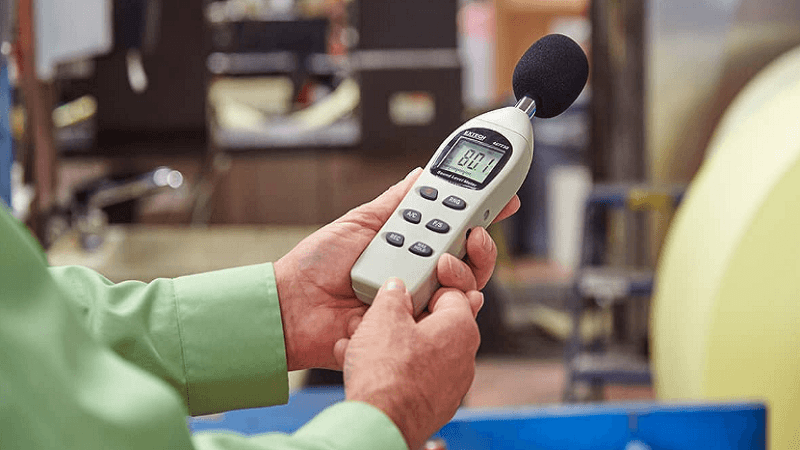
In Australia, the technologies available to the audiometric and noise testing industries are advancing. Portable audiometers, noise measurement devices, and digital compliance systems are allowing organizations to make the leap from doing once-off assessments to the ability to continually assess health metrics.
Because the health risk data from audiometric testing can now be integrated into risk management systems, a loop is formed that creates a relationship between workplace metrics and organizational strategy.
Practical Implications for Australian Organisations
Sustainable Workforce Planning. Hearing health is part of long-term workforce planning.
Productivity. Noise assessment data can be used to determine if there is a relationship between exposure and performance.
ESG Reporting. Reports of audiometric testing results can be incorporated in ESG reporting templates.
Continuous Monitoring. Use technologies that enable the shift from periodic testing to continuous monitoring.
Cultural Impact: Hearing health should be prioritized beyond mere organizational compliance.
Conclusion: Hearing Health as Strategy
Where noise assessment and audiometric testing sit within an organisation’s framework in Australia is about to change. They can continue to be treated as compliance obligations, or accepted as strategic enablers to drive workforce sustainability, productivity, and ESG leadership.
The progressive companies of Australia will be those that understand hearing health, not as a compliance or technical requirement, but as an imperative business concern. Noise assessment and audiometric testing is more than just hearing protection; it isprotection against the future of work.