
Investing in the stock market can feel intimidating at first. Charts move fast, financial terms sound complex, and many beginners worry about losing money.
The good news is this: you can start investing with relatively low risk if you follow a disciplined, long-term and well-structured approach.
This guide explains everything a beginner needs to know — in simple language — to start investing wisely and confidently.
What Is the Stock Market?
The stock market is a marketplace where people buy and sell ownership in companies.
That ownership is called a share or stock.
When you buy a stock, you become a small part-owner of a company. If the company grows and becomes more valuable, your investment can grow as well.
Most trading happens through large exchanges such as:
-
New York Stock Exchange (NYSE)
-
NASDAQ
You don’t need to go to these exchanges yourself. Today, online brokers give you direct access from your phone or computer.
How Do You Make Money in the Stock Market?
There are two main ways investors earn money:
1. Price growth
If you buy a stock at $50 and later sell it at $70, your profit is the difference.
2. Dividends
Some companies regularly pay part of their profits to shareholders. These payments are called dividends.
For beginners, long-term growth is usually the safest and most reliable goal.
Why Beginners Should Focus on Low-Risk Investing
Low-risk investing does not mean zero risk.
It means reducing unnecessary risk by:
- avoiding speculation and hype
- spreading your money across many companies
- holding investments for the long term
- focusing on stable and proven businesses
This approach protects beginners from the biggest and most common mistakes.
Step 1: Learn the Basic Investing Terms
Before you invest real money, you should clearly understand these core ideas:
- Stock – ownership in a company
- Portfolio – all your investments combined
- Dividend – cash paid to shareholders
- Volatility – how much prices move up and down
- Market risk – the chance that overall markets fall
You do not need advanced financial models to start safely.
Step 2: Set Clear and Realistic Investment Goals
Low-risk investing works best when you invest for meaningful long-term goals such as:
- retirement
- buying a home in the future
- building long-term wealth
Ask yourself:
- How long can I keep this money invested?
- Do I need this money in the next few years?
👉 If you need the money soon, you should avoid putting it in stocks.
Step 3: Only Invest Money You Can Leave Untouched
The stock market moves up and down in the short term.
If you invest money that you might need next month or next year, you could be forced to sell at a bad time.
A good beginner rule:
Invest only money you can leave invested for at least five years.
Step 4: Open a Brokerage Account
To buy stocks, you need a brokerage account with a regulated broker.
In the United States, brokers are overseen by the
U.S. Securities and Exchange Commission (SEC).
When choosing a broker, look for:
- low or zero trading commissions
- easy-to-use platform
- strong customer support
- proper regulation
Step 5: Use Diversification to Reduce Risk
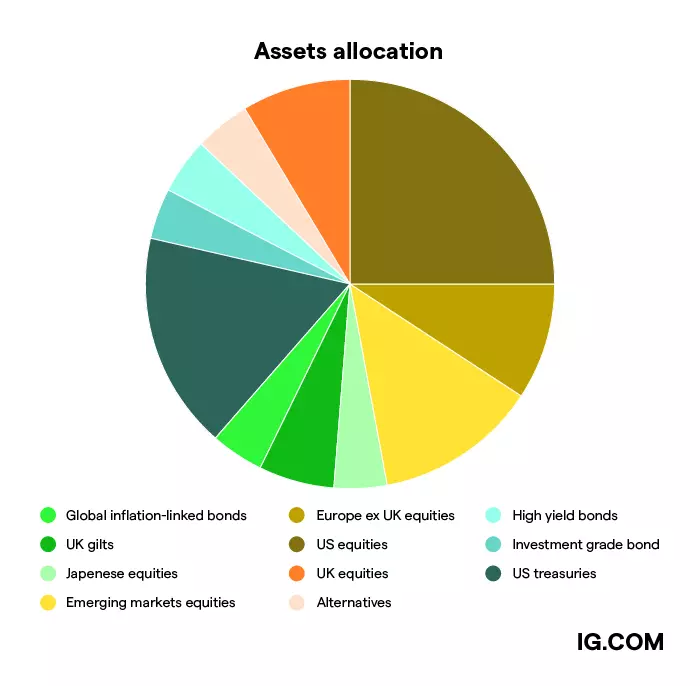
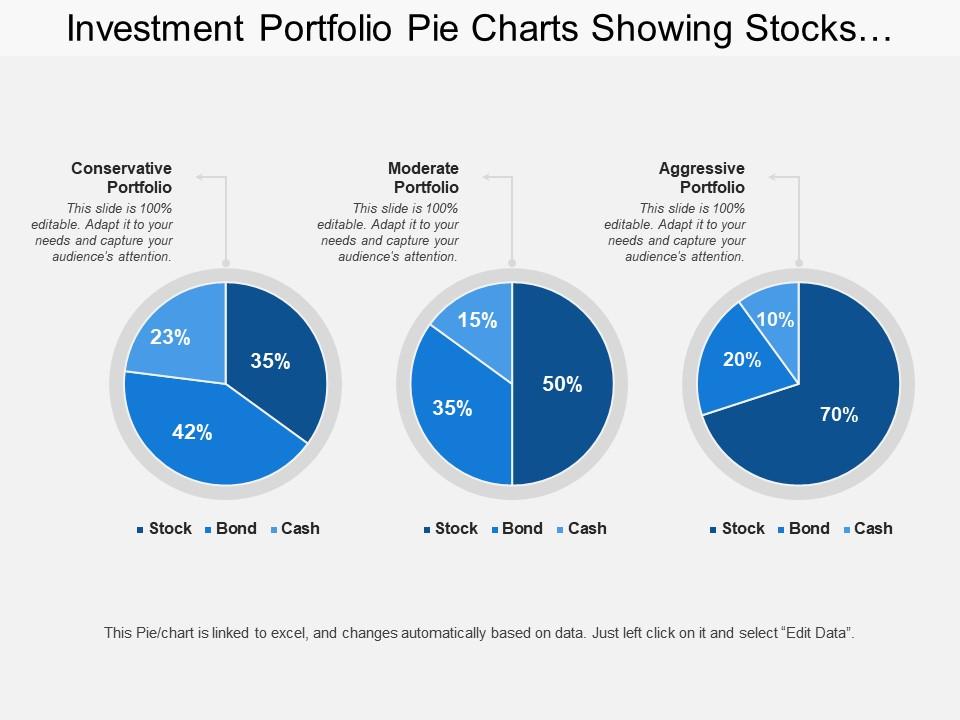
Diversification means spreading your money across many different investments instead of putting it all into one stock.
If one company performs badly, the others can help balance your results.
A diversified portfolio usually includes:
- many companies
- different industries
- sometimes different countries
Diversification is one of the most powerful tools for lowering investment risk.
Step 6: Start With Index Funds or Broad Market ETFs
For beginners, one of the safest and easiest choices is to invest in index funds or exchange-traded funds (ETFs).
These funds automatically hold shares of many companies at once.
Instead of picking individual winners, you invest in the entire market.
Well-known investment companies that offer these funds include
Vanguard Group.
Why index funds are low risk for beginners
- instant diversification
- very low management fees
- no need to pick individual stocks
- historically strong long-term performance
Step 7: Avoid High-Risk Strategies in the Beginning
If your goal is low-risk investing, avoid:
- day trading
- short-term speculation
- trading based on social media tips
- leverage and margin trading
- complex derivatives
These strategies are designed for experienced professionals and carry a much higher chance of large losses.
Step 8: Invest Regularly Using Dollar-Cost Averaging
Instead of investing a large amount at once, many beginners use a strategy called regular investing.
For example:
- invest a fixed amount every month
- regardless of whether the market is up or down
This approach helps:
- reduce emotional decisions
- smooth out market fluctuations
- build discipline
Over time, this can significantly reduce the impact of short-term volatility.
Step 9: Reinvest Your Dividends
If your investments pay dividends, reinvesting them allows you to buy more shares automatically.
This creates a powerful effect called compounding — your money begins to generate returns on previous returns.
For long-term investors, compounding is one of the strongest growth drivers.
Step 10: Keep Your Costs as Low as Possible
Investment fees directly reduce your returns.
Pay attention to:
- fund expense ratios
- brokerage fees
- account maintenance charges
Low-risk investing works best when costs stay minimal.
Step 11: Review Your Portfolio — But Don’t Overreact
Checking your portfolio occasionally is healthy.
Checking it every day is usually not.
A simple review once or twice per year is enough to:
- rebalance your investments
- adjust contributions
- ensure your goals remain realistic
Avoid reacting emotionally to short-term market news.
Common Beginner Mistakes to Avoid
- investing without understanding what you own
- chasing fast profits
- concentrating money in one company
- selling during market panic
- constantly switching strategies
Consistency matters far more than perfect timing.
A Simple Low-Risk Starter Plan
Here is a practical and beginner-friendly approach:
- Open a regulated brokerage account.
- Build an emergency savings fund first.
- Invest monthly into one or two broad market ETFs or index funds.
- Reinvest all dividends.
- Hold your investments for the long term.
- Keep fees low and your portfolio diversified.
Final Thoughts
Stock market investing does not have to be complicated or risky for beginners.
By focusing on:
- diversification
- low-cost index funds
- long-term discipline
- emotional control
you give yourself a strong foundation for steady and sustainable growth.
The most important step is not finding the perfect stock —
it is starting early, staying consistent, and keeping your risk under control.